Discover the Essential Services Delivered by a Professional Arborist to Ensure Tree Health
A professional arborist offers a range of services vital for maintaining healthy trees and enhancing landscapes. Their expertise in tree pruning promotes growth and minimizes threats. They also assess and handle tree diseases, guaranteeing customized treatment plans are in place - Florence Arborist. Additionally, arborists handle safe tree removals and aid in planting and transplanting. Their role becomes even more crucial during urgent times such as storm damage. Knowing these services can greatly impact one’s approach to tree care
The Necessity of Tree Pruning
Although many homeowners may overlook the need for tree pruning, it is crucial in preserving the health and aesthetics of trees. Correct pruning assists trees in building a robust structure, eliminating dead or infected limbs that could present dangers. By judiciously pruning limbs, the tree can focus its energy on healthy growth, promoting better air circulation and sunlight penetration. Additionally, pruning can boost the aesthetics of the tree, contouring it for attractiveness in residential landscapes.
Moreover, regular pruning can prevent potential hazards, such as limbs falling during storms or high winds, which could cause property destruction or cause personal injury. It also assists in avoiding of pest outbreaks and diseases by enhancing the tree's hardiness. Ultimately, retaining expert arborist services for tree pruning guarantees that trees remain healthy, safe, and visually pleasing, contributing considerably to the overall beauty and value of the property.
Diagnosing and Managing Tree Diseases
Tree health can be considerably affected by a range of diseases that may not always be readily apparent. A professional arborist plays an essential role in identifying these issues promptly, utilizing a combination of visual inspections and testing equipment. Symptoms such as leaves changing color, wilting, or abnormal growth habits often point to underlying wellness concerns. Arborists assess these symptoms to identify specific diseases, whether fungal, bacterial, or viral in nature.
Following the diagnosis, the tree specialist creates a tailored management plan. This may include targeted treatments, such as fungicides or bactericides, and maintenance techniques that enhance tree resilience. Furthermore, proper watering, mulching, and nutrition helps greatly enhance the vitality of the tree and defense against pathogens. Regular monitoring and follow-up treatments are necessary for effective management, guaranteeing the lifespan and health of the trees. By taking a proactive approach to tree diseases, arborists help maintain the environmental value and aesthetic appeal that healthy trees offer.
Best Practices for Tree Felling
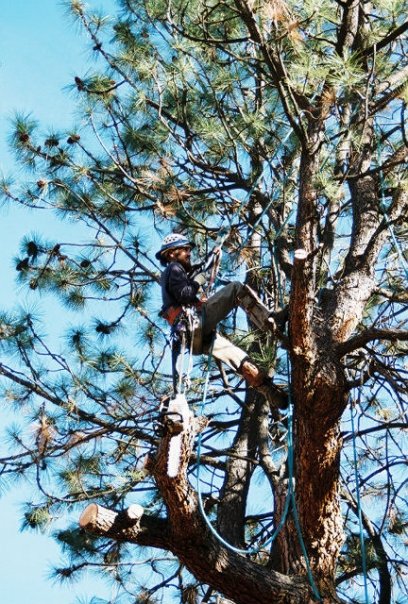
Proper tree felling methods are essential for guaranteeing the safety of the crew and limiting harm to nearby structures. Qualified professionals utilize a detailed analysis of the tree's condition, its location, and the immediate vicinity before beginning the felling process. Professionals employ dedicated machinery, such as chainsaws and rigging gear, to make clean incisions and control during the felling process.
A thoughtful felling approach involves spotting possible dangers, such as power lines or nearby structures, which can compromise the safety measures. Tree specialists frequently employ a method known as "sectional dismantling," in which the tree is taken apart in small sections, minimizing the danger from falling material.
In addition, arborists adhere to local rules and standards to guarantee compliance and responsible environmental care. Following the extraction, thorough clearing and removal of the remaining wood and brush, stump treatment as well, help improve the overall security and look of the landscape.
Guidelines for Tree Installation
Installing and relocating trees requires careful consideration of site selection and planting techniques to guarantee long-term health and growth. Choosing the correct site significantly influences a tree's development, whereas good planting practices reduce trauma and aid in successful rooting. Professionals stress these considerations as essential for enhancing the strength and endurance of trees in various settings.
Choosing the Right Location
Selecting an appropriate site for relocating or establishing trees is essential for their long-term health and growth. Considerations including soil quality, sunlight exposure, and water runoff must be thoroughly assessed. Professional arborists examine the specific site conditions, to guarantee that the selected area offers sufficient nourishment and support for the tree species. Additionally, the closeness to current buildings and neighboring vegetation is critical to avoid resource contention and steer clear of future injury. Arborists also consider the tree’s full-grown dimensions and root structure, guaranteeing enough area for development. Via an in-depth assessment of the location, arborists enable clients make informed decisions that encourage strong, successful trees, thereby improving the landscape’s aesthetic and ecological value.
Optimal Planting Methods
When the planting spot is meticulously reviewed and picked, the next step involves employing ideal planting techniques for trees. Proper preparation of the planting hole is vital; it should be twice the width of the root ball and no deeper than the root system itself. It is necessary to set the tree in the hole so that the crown of the root mass is even with the adjacent ground. Backfill with native soil, ensuring there are no air pockets, and soak the area well to help the roots settle in initially. Mulching around the base assists in keeping water in and inhibit unwanted growth. Florence Arborist. For transplanting existing trees, it’s discover here important to minimize root disturbance and transplant during dormancy for the highest rate of success. Adhering to these methods promotes robust development and longevity
Emergency Response to Storm Damage

After powerful weather events occur, the resultant conditions may leave trees in hazardous situations, endangering structures and security. Trained arborists are essential in emergency response, evaluating storm-damaged trees to gauge their soundness and condition. Their expertise allows them to identify which plants can be saved and which present immediate dangers that need to be taken down.
Equipped with specialized tools, they can carefully cut damaged boughs and haul away refuse, minimizing further damage to adjacent property. Arborists also offer helpful guidance on risk mitigation, such as picking durable tree varieties for upcoming installations.
Beyond just quick action, arborists help homeowners understand the potential long-term effects of storm damage, offering guidance on recovery and rehabilitation. Through quick and effective action, certified tree experts safeguard assets but also help in the renewal of the local environment after severe storms.
Tree Nutrition and Earth Maintenance
Subsequent to storm damage, attention turns to the condition of surviving trees, underscoring the importance of nutritional support and ground care. A certified tree specialist checks ground quality and tree vitality to figure out specific nutritional needs. Trees require vital elements, such as nitrogen, phosphorus, and potassium, to bounce back and flourish after stress events.
Soil management is crucial for how nutrients are accessed and the growth of roots. Experts might advise ground improvements, such as organic matter, to enhance soil structure and microbial activity. Proper pH levels are also assessed, as they impact how nutrients are absorbed.
Incorporating mulching techniques can keep the ground moist and keep weeds down, fostering a perfect setting for the tree's recuperation. Through the creation of a comprehensive nutrient strategy and using smart soil maintenance methods, arborists ensure trees recover their vigor, resilience, and overall health, a factor essential to maintaining a balanced ecosystem in the wake of environmental disturbances.
FAQs
How Often Should I Have My Trees Inspected?
Trees should be checked annually for maximum vitality. However, more regular inspections might be required for younger trees, post-major weather incidents, or if any signs of distress or disease are observed.
What Expertise is Needed in an Arborist?
When hiring a tree specialist, one should look for credentials such as ISA (the ISA) accreditation, applicable work history, insurance coverage, and a solid name locally, ensuring expertise in tree care and safety practices.
Are There Specific Tools Arborists Use for Tree Care?
Arborists use various specialized tools for tree care, including chainsaws, pruning shears, climbing gear, and stump grinders. Each tool serves a specific purpose, facilitating good care, pruning, and tree extraction while promoting overall health and safety.
In What Ways Does the Weather Impact Tree Health?
The state of the weather strongly influences tree health; heavy rainfall may result in root rot, while lack of water weakens trees. Harsh weather conditions can lead to the destruction of leaves and branches, which affects growth, sturdiness, and overall strength of the trees.
Should I handle my own tree maintenance, or Is it better to hire an expert?
Although certain simple tree maintenance jobs are manageable by homeowners, it is usually recommended to hire an expert - Florence Arborist. Trained individuals carry specialized equipment and knowledge, to make sure the trees receive the appropriate care required for ideal health and growth